
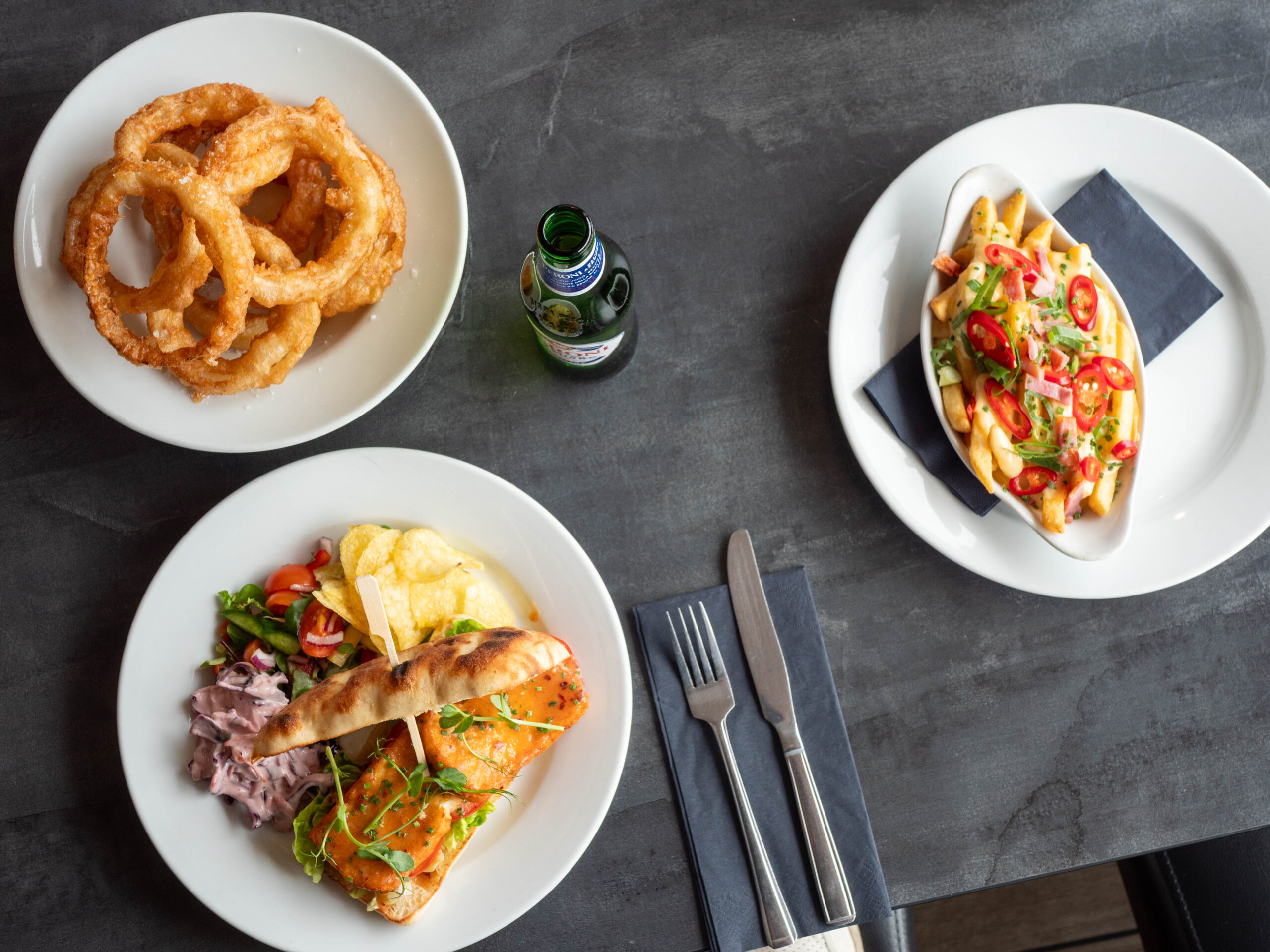
The word bistro conjures up a particular kind of dining experience, somewhere between the formality of a fine dining restaurant and the casualness of a quick meal out. A good bistro llandudno offers comfort, quality, and a genuine sense of welcome, without the stiffness that can sometimes come with more formal establishments. So what exactly separates a memorable bistro experience from an unremarkable one? The answer lies in a combination of factors that, taken individually, might seem straightforward, but when they come together in the right way, create something that keeps diners coming back again and again.
The Origins of Bistro Dining and Why It Still Resonates
The bistro as a concept has its roots in the traditional neighbourhood restaurants of France, where local residents would gather for simple, well prepared food in an unpretentious setting. The original appeal was not luxury or spectacle but the reliable pleasure of a good meal in a familiar, welcoming space. That fundamental idea, quality and comfort over formality and show, has proven remarkably enduring, and it is why the bistro format continues to thrive in a dining landscape that has seen countless other concepts come and go.
What has changed over the decades is the interpretation of that original idea. Modern bistros draw on a much wider range of culinary influences than their French predecessors, reflecting the diversity of ingredients, techniques, and tastes that have become part of contemporary dining culture. A bistro today might serve a classic French onion soup alongside a dish inspired by Asian flavour combinations, or offer a wine list that reflects the best of several different producing regions rather than focusing narrowly on a single country. This evolution has kept the format relevant and genuinely exciting, without losing the core qualities of simplicity, quality, and warmth that made it appealing in the first place.
A Menu That Feels Honest
The best bistro menus tend to focus on doing a smaller number of dishes really well, rather than overwhelming diners with endless choice. Classic, comforting dishes given a thoughtful, modern touch are often the hallmark of a good bistro, using quality ingredients prepared with genuine care rather than relying on complexity for its own sake.
A well constructed bistro menu tells a story about the kitchen behind it. When dishes are chosen carefully and executed consistently, diners can sense that each item on the menu is there because it genuinely belongs, not simply to pad out the page count or appeal to the broadest possible range of tastes. A shorter menu also tends to signal confidence, suggesting that the kitchen knows exactly what it does best and has made a deliberate choice to focus on that rather than spreading itself too thin.
The best bistro dishes often share a quality of feeling both familiar and slightly surprising at the same time. A steak served with a sauce that uses an unexpected combination of flavours, a pasta dish that elevates simple ingredients through exceptional technique, or a dessert that takes a classic combination and presents it in a way that feels fresh without being gimmicky. This balance between the comforting and the interesting is one of the hardest things to achieve consistently in a kitchen, and when a bistro gets it right, it becomes one of the most compelling reasons to return.
Portion size also plays a role in how a menu feels. A bistro should offer generous, satisfying portions without tipping into excess, leaving diners feeling properly fed and content rather than overfull and slightly uncomfortable. This attention to the practical pleasure of eating, rather than simply the aesthetic presentation of food, is one of the qualities that distinguishes a genuinely good bistro from one that prioritises appearance over substance.
Locally Sourced Ingredients Make a Difference
There is a noticeable difference in flavour and freshness when a kitchen prioritises locally sourced produce over generic, mass distributed ingredients. Working with trusted local suppliers not only tends to result in better tasting food, it also supports the wider local food economy and often allows menus to shift naturally with the seasons, reflecting what is genuinely at its best at any given time of year.
The case for local sourcing goes beyond taste alone. Produce that has travelled a shorter distance from farm to kitchen typically arrives fresher, having spent less time in transit or cold storage, and this shows clearly in the finished dish. A tomato grown locally and picked at the right moment of ripeness bears little resemblance to one that has been harvested early and ripened artificially during a long journey across the continent, and any kitchen that uses both side by side will notice the difference immediately.
Seasonal cooking, which follows naturally from a commitment to local sourcing, also tends to produce menus that feel more alive and interesting over the course of a year. A bistro that changes its menu to reflect what is genuinely available and at its best in each season gives regular diners a reason to return throughout the year, discovering new dishes and combinations that simply would not have been possible a month or two earlier. This kind of organic menu evolution is far more compelling than an unchanged list of dishes available identically throughout the twelve months.
Building relationships with local farmers, fishermen, bakers, and producers also gives a kitchen access to ingredients that are simply not available through standard wholesale channels, whether that is a particular variety of heritage vegetable, a locally reared breed of livestock, or artisan products made in small quantities by skilled local makers. These ingredients, used thoughtfully, can give a bistro menu a genuinely distinctive character that sets it apart from competitors relying entirely on the same mainstream supply chains.
A Warm and Attentive Atmosphere
Good food alone does not make a great bistro experience. The atmosphere created by friendly, attentive staff plays an enormous role in how a meal is remembered. Diners notice when staff genuinely seem to enjoy their work, when service is prompt without feeling rushed, and when small touches, such as a server remembering a regular customer’s usual order, are part of the everyday experience rather than a special exception.
The quality of service in a bistro setting is about finding a particular balance that is harder to achieve than it might appear. Too formal and the service feels cold and uncomfortable, creating a distance between staff and diners that undermines the relaxed warmth a bistro should offer. Too casual and the service can feel inattentive, with diners left wondering whether their needs have been noticed or whether a second glass of wine is ever going to arrive. The best bistro service sits somewhere between these two extremes, feeling natural and genuinely engaged without becoming intrusive or overly familiar.
Staff who know the menu thoroughly, who can speak knowledgeably about where ingredients come from and how dishes are prepared, and who can offer honest recommendations rather than simply suggesting the most expensive options, add a dimension to the dining experience that menus alone cannot provide. A well informed, enthusiastic member of staff who genuinely believes in the food being served can be as influential as the food itself in shaping how a meal is remembered.
The physical environment of a bistro also contributes significantly to atmosphere. Lighting that is warm and inviting without being so dim that diners struggle to read the menu, comfortable seating that encourages lingering rather than rushing, a level of background noise that feels lively without becoming oppressive, and a general sense of care in the presentation of the space all work together to create the kind of setting where people naturally relax and enjoy themselves.
Comfort Without Pretension
A defining quality of a great bistro is the sense that diners can relax. This means a contemporary, welcoming setting rather than anything overly formal, where guests feel just as comfortable arriving in casual clothes for a quick lunch as they would dressing up for a special evening out. This relaxed comfort is part of why bistros work so well for everything from a quiet weekday breakfast to a celebratory Sunday roast with family.
Pretension, in any of its forms, is the enemy of a truly enjoyable bistro experience. An overly complex menu written entirely in a language most diners do not speak, a wine list presented without sufficient guidance for those who need it, or a service style that makes guests feel judged for their choices rather than supported in making them, all create a subtle but real sense of exclusion that undermines the fundamental purpose of a bistro, which is to make good food accessible and enjoyable for everyone.
The best bistros manage to offer genuine quality, including carefully chosen wine lists, sophisticated cooking techniques, and thoughtfully sourced ingredients, while presenting all of this in a way that feels approachable and inclusive rather than intimidating. This is as much about attitude as it is about the physical environment, and it shows in every interaction between staff and diners throughout the course of a meal.
The Importance of Drinks and Wine
A thoughtfully curated drinks offering is an often underappreciated part of what makes a bistro genuinely good. A wine list that has been put together with real knowledge and care, offering options at a range of price points and including some bottles that diners are unlikely to have encountered elsewhere, adds considerably to the overall quality of the experience without requiring the breadth or formality of a fine dining cellar.
House wines served by the glass or carafe are a bistro staple for good reason. They should be chosen with as much care as the bottled options, since for many diners a glass of house wine alongside a simple lunch or supper is exactly what they want, and a poor choice at that level colours the entire experience. A small, well selected list of wines by the glass that genuinely complement the food being served is often more impressive than a large list full of unfamiliar names and little guidance.
Beyond wine, a good bistro typically offers real ales or craft beers chosen with the same thoughtfulness, a small cocktail menu that reflects the character of the kitchen, and soft drink options that go beyond the generic. A freshly made lemonade, a good quality elderflower pressé, or a house made soft drink can signal the same care and attention to detail as the food itself, and they matter to diners who are not drinking alcohol or who simply prefer something other than wine.
Consistency Across Every Visit
One of the most underrated qualities in any restaurant is consistency. A great bistro delivers the same quality of food and service on a quiet Tuesday lunchtime as it does on a busy Saturday evening. This reliability is often what turns an occasional visitor into a regular, since diners come to trust that they will have a good experience every time they walk through the door.
Consistency in a kitchen is the product of clearly defined recipes, good quality control, experienced and well trained staff, and a culture that takes the same pride in a midweek lunch as in a Saturday evening service. It requires discipline and attention to detail at every level of the operation, from the way ingredients are stored and prepared to the way dishes are plated and checked before leaving the kitchen. When a bistro achieves genuine consistency, it shows, and diners respond to it with the loyalty that is ultimately the most meaningful measure of a restaurant’s success.
Consistency also extends to the experience outside the kitchen. Being greeted in the same warm and genuine way whether visiting for the first time or the fiftieth, finding the same standard of cleanliness and presentation throughout the venue, and receiving the same attentive service regardless of how busy the room is, all contribute to the sense of reliability that keeps a loyal customer base coming back.
A Sense of Place
Finally, the best bistros often reflect something of their local setting, whether through the produce they use, the staff who work there, or simply the character of the building itself. This sense of place adds something that cannot easily be replicated by a generic chain restaurant, giving a bistro a personality that keeps people coming back.
A bistro that feels genuinely rooted in its location offers diners something they cannot find anywhere else, which is one of the most powerful competitive advantages any independent restaurant can have. This might express itself through the ingredients on the menu, which tell the story of local producers and suppliers, through the artworks on the wall, which reflect local artists or the history of the area, or simply through the way staff talk about the local area with genuine knowledge and affection when visitors ask for recommendations.
For visitors to an area, this sense of local identity can make a bistro feel like an authentic window into the character of a place, rather than a generic dining option that could exist anywhere. For local regulars, it reinforces the sense of connection and belonging that makes a favourite local restaurant genuinely different from any other place to eat.
A great bistro experience in llandudno ultimately comes down to a combination of honest food, genuine warmth, and a comfortable setting that makes every visitor, whether a first timer or a regular, feel properly looked after. When all of these elements come together consistently, a bistro becomes more than just somewhere to eat. It becomes a place that people actively look forward to returning to, one that occupies a small but genuine place in the fabric of the community it serves.